 Skip to content
When you live in or around Sterling, VA, comfort means more than just keeping warm. It means staying cosy inside your vehicle or home, avoiding glare, and maintaining visibility even when the sun is low in the winter sky. The right window tint shade can make a big difference not just in looks, but in how your space feels and performs. If you’re considering Window Tinting in Sterling, VA, it helps to understand which shades bring the most benefit for your needs.
That’s where Speed & Tech Motoring comes in. With experience across automotive and architectural tinting, they know how to balance performance, legal compliance, and long-term durability. Let’s walk through how to decide which shade fits your comfort goals, the climate here, and how you use your vehicle or space.
Understanding Comfort Needs in Sterling Winters
How Cold Weather Affects Interiors
In Sterling, cold mornings and chilly evenings are common. The glass in your windows becomes a “weak link” in insulation, it loses heat faster than walls. That means you get drafts, uneven interior warmth, and higher heating or defrost use. A good tint shade helps reduce that heat escape, creating a more consistent and comfortable cabin or room environment. You shouldn’t feel like the window area is a cold zone while the rest is warm.
The Role of Solar Heat and Glare
It’s easy to forget, but even in winter the sun plays a big role. Low-angle sunlight reflects off snow, glass and road surfaces, sending glare into your eyes and windows. That glare causes discomfort, eye strain and sometimes forces you to crank down your heater or raise blinds. Choosing a tint that handles both heat rejection and visible light transmission (VLT) is key. The right shade keeps light balanced, limits radiation, and maintains comfort without making things feel too dark.
Why Shade Choice Matters for Window Tinting
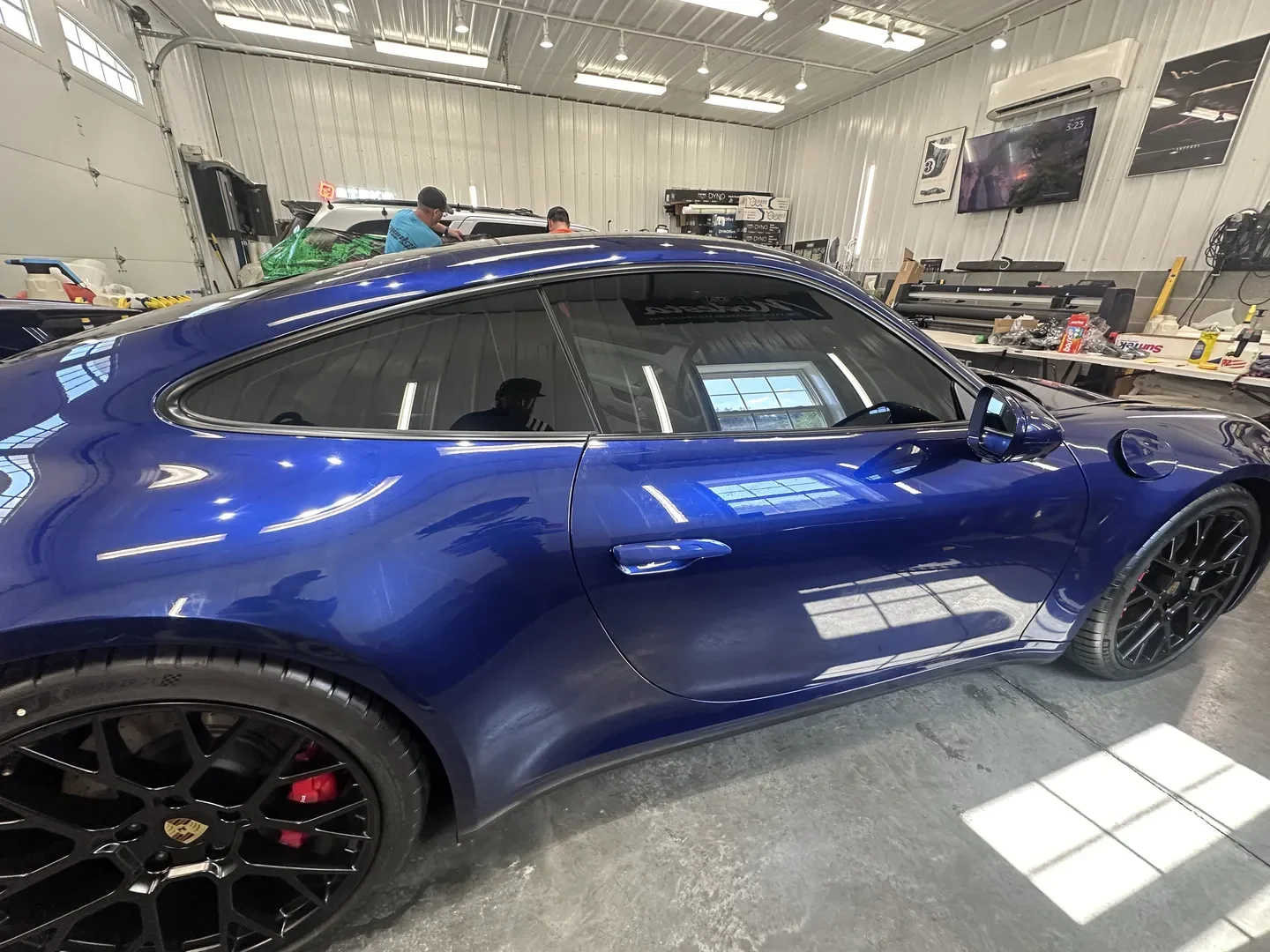
Visible Light Transmission (VLT) Explained
VLT is the percentage of visible light that passes through your tinted window. A 50 % VLT means half the visible light gets through. Lower number equals darker appearance. But the lowest VLT isn’t automatically the best for comfort. You must consider how light, heat, visibility and local rules interact. For instance, too dark a film can reduce usable daylight and make your space feel enclosed. Understanding VLT helps you pick a shade that balances comfort, visibility and compliance.
Heat Rejection Versus Darkness
Many people assume that the darkest tint gives the most comfort. That’s not always true. Some high-performance films reject heat and IR (infrared) energy without drastically reducing visible light. In short: you want the “smart” shade, not just the darkest one. The secret is technology. Films that reflect or absorb infrared can keep your environment more stable, while you have better visibility. That’s a win in the chilly winters of Sterling.
Popular Tint Film Types for Comfort
Dyed Window Films Explained
Dyed films are among the more affordable options. They consist of a layer of dye within the film that gives a dark appearance and offers basic UV protection. They reduce glare and shade the interior somewhat. However, their heat rejection is often lower compared to advanced films, and they may fade or bubble over time if the installation or environment is harsh. For someone focused on cost but still wanting improved comfort, dyed films are a reasonable choice.
Metalized and Hybrid Films
Metalized films incorporate tiny metallic particles to reflect heat and IR energy. Hybrid films blend dye + metalized layers. These provide better heat rejection than basic dyed films, and durability is improved. The trade-off: they may have a metallic look, sometimes interfere slightly with radio or cell signals, and cost more. For comfort in Sterling, the extra cost may be justified by improved insulation and glare reduction.
Carbon and Ceramic Window Films
Carbon and ceramic films are the premium options. Carbon films deliver consistent light levels, good heat rejection, and a matte finish. Ceramic films go a step further: non-metallic, non-dye, and high-performance in blocking IR, UV, and maintaining visibility. According to a guide, modern window films can reduce energy transmission by up to 80 % when properly applied. If you want consistent comfort, minimal glare, long life, and minimal interference, ceramic is the best bet.
Recommended Shades for Vehicle Interiors
Front Side Window Considerations
When selecting tint for your front side windows, you need to balance day-visibility (especially at dusk/dawn) and comfort. A shade that is too dark can hamper visibility and might be illegal. For example, if you pick a film with 35 % VLT, you allow 35 % of light in. Many installers recommend something around that mark or a bit higher for front doors, enough to reduce glare but still keep day and night driving safe. Ask your tint provider at Speed & Tech Motoring about the best legal and comfort shade for your vehicle.
Rear and Back Windows Recommendations
The comfort goals for rear windows are slightly different: you care about reducing overall cabin heat escape and protecting interior surfaces from UV and fading. You are less constrained by driver sight lines. That means you can opt for a slightly darker film if local laws allow, perhaps 20-30 % VLT or higher heat rejection film. With rear windows treated well, your vehicle’s cabin stays uniformly comfortable, passengers benefit, and the interior stays better preserved.
Recommended Shades for Home & Building Windows
Residential VLT and Comfort Balance
At home in Sterling, you want daylight, comfort, insulation, and minimal glare. For residential window tinting, a film with moderate VLT (for example, 40-60 %) might strike the right balance: you still get daylight, but gain noticeable reduction in heat loss and glare. If the windows face low winter sun or large glass surfaces, a performance film (carbon or ceramic) may add value. The goal: a brighter space that’s also warmer and more comfortable.
Commercial/Office Window Tinting Shades
Offices or commercial spaces have different demands: energy efficiency, occupant comfort, minimal distraction, and less glare on screens. Here, you might choose darker or higher-performance films (like 30-40 % VLT and high IR rejection) depending on window orientation. Comfort in Sterling’s climate means avoiding heavy heating bills and ensuring a consistent indoor temperature. Working with Speed & Tech Motoring’s architectural tinting team ensures you select a film that meets these criteria without compromising building codes or occupant safety.
Legal and Local Regulation in Virginia
Virginia Tinting Regulations Overview
State laws matter when choosing tint shades. In Virginia, side windows must allow a specific minimum visible light transmission. For example, many side windows must allow 50 % or more of visible light in. Before selecting a shade, ask about local regulations to avoid legal trouble. That means the best shade is one that delivers comfort and compliance with no compromise.
Ensuring Compliance and Comfort
Comfort only matters if the film is legal and safe. Non-compliant tinting can lead to fines, forced removal or visibility issues. At Speed & Tech Motoring, professionals will guide you through permissible VLT ranges in Sterling, VA and help you pick a film that satisfies both comfort and regulatory requirements. That way, you enjoy improved comfort confidently.
Tips for Choosing the Right Shade with Speed & Tech Motoring
Checking Your Lifestyle Needs
Start by asking yourself: what matters to me most? Do I drive early mornings or nights often (so visibility matters)? Do I want to reduce heating costs and glare more than I care about darker windows? Do I often transport passengers or cargo that need interior protection? By answering these questions, you’ll get a clearer sense of what shade range will best fit your vehicle or home. Speed & Tech Motoring can provide side-by-side film samples to make the decision easier.
Working With Professionals
Proper installation matters just as much as shading choice. A poorly applied film may peel, bubble or fail to deliver its comfort benefits. Working with a professional team ensures you get a film that is correctly measured, matched to your window, applied under the right conditions and backed by a warranty. For the best outcome in Sterling’s climate, this professional touch makes all the difference.
Care and Maintenance of Tinted Windows
Cleaning Best Practices
Once your windows are tinted, the way you clean and maintain them affects performance and longevity. Use non-ammonia cleaners, soft microfiber towels, and avoid abrasive tools that could scratch or lift the film. After installation of new film, avoid rolling down windows or cleaning for a few days to let it cure. Proper maintenance helps preserve clarity, comfort and the insulating performance of the film.
When to Replace Film
Tint films don’t last forever. Over time you may notice fading, bubbling, peeling or reduced comfort (e.g., more glare, colder spots). These signs mean it’s time for replacement. Choosing high quality films from the start (like carbon or ceramic) and working with an expert installer helps extend lifespan. Replacing at the right time maintains comfort, saves energy and retains interior protection benefits.
Final Words on Best Shade Selection
Selecting the best window tint shade for comfort in Sterling, VA, is about more than choosing “dark” or “light.” It’s about balancing heat retention, glare reduction, visibility, durability and legal compliance. Window Tinting in Sterling, VA offered by a professional like Speed & Tech Motoring helps ensure you get the right film type, shade and installation. When the winter sun is low or the chill sets in, the right tint shade becomes part of your comfort strategy quietly working to make your vehicle or home more comfortable, efficient, and safe.
FAQs
What VLT percentage is best for winter comfort in vehicles?
A moderate VLT around 35 % to 50 % often balances comfort and visibility in winter. It allows enough light while still reducing glare and heat loss, especially in Sterling, VA.
Are premium films like ceramic really worth the extra cost?
Yes. Ceramic films offer superior heat rejection, minimal visual impact, better clarity and longer lifespan compared to dyed or basic metalized films. For comfort and durability, they are worth considering.
Will window tinting reduce heating costs in my home?
Yes. Quality window film reduces heat loss through glass, which can lower heating demand and bills in colder seasons. Paired with the right shade, it contributes to consistent interior comfort.
How do I know if a tint film meets Virginia legal requirements?
You should ask your tint provider for documentation of the film’s Visible Light Transmission (VLT) percentage and check that it aligns with Virginia’s regulations. Working with a professional installer ensures compliance.
Can I tint all windows the same shade for both comfort and aesthetics?
You can, but optimum comfort often comes from varying shades: slightly lighter on front windows for visibility, darker on rear windows for insulation and UV protection. A good installer will tailor accordingly.
