Electric vehicle owners face a unique challenge that internal combustion engine drivers rarely consider: every watt of power drawn from the battery directly impacts driving range. Unlike traditional vehicles where cabin heating and cooling represent minimal drains on overall fuel efficiency, electric vehicles must dedicate precious battery capacity to climate control systems. This reality becomes especially apparent during extreme weather conditions when running the air conditioning or heating system can reduce your available range by 20 to 40 percent. The question becomes not whether you’ll use climate control, but how you can minimize its energy consumption while maintaining comfort. Professionals at Prestige Protective Films frequently work with EV owners who discovered this range anxiety issue firsthand during their first summer with their new electric vehicle, watching their predicted range drop dramatically the moment they activated the AC.
The relationship between cabin temperature management and battery efficiency makes auto window tinting a practical upgrade for electric vehicle owners rather than just an aesthetic choice. Every degree of temperature reduction achieved through passive solar heat rejection means less work for your climate control system and more energy available for actually driving your vehicle. This becomes particularly relevant as the EV market expands and more drivers transition from gas-powered vehicles to battery-electric models without fully understanding how different the energy dynamics really are. Experts at Prestige Protective Films emphasize that understanding these efficiency relationships helps EV owners make informed decisions about modifications that deliver measurable improvements in real-world driving range and overall vehicle performance.
Understanding Energy Consumption Challenges in Electric Vehicles
Electric vehicles operate on fundamentally different energy economics compared to traditional vehicles. Every system drawing power from the battery competes with the drivetrain for available energy. Unlike gasoline engines that produce abundant waste heat suitable for warming the cabin in winter, EVs must generate heat specifically for climate control, consuming battery charge that could otherwise extend your range.
The limited energy capacity of current battery technology makes efficiency paramount. While a gas vehicle might carry the energy equivalent of 300-400 kWh in a full tank of gasoline, most electric vehicles pack 50-100 kWh of battery capacity. This smaller energy reserve means that systems consuming even a few kilowatts of power for extended periods create noticeable impacts on available driving range.
How Climate Control Impacts Battery Range
Air conditioning systems in electric vehicles typically draw 2 to 4 kilowatts of power during active cooling, though this varies based on ambient temperature, desired cabin temperature, and system efficiency. Over an hour of driving, that represents 2 to 4 kWh of battery capacity consumed purely for cooling. In a vehicle with 70 kWh of usable battery capacity, an hour of maximum AC usage could consume nearly 6% of your total energy reserve.
The impact becomes more dramatic during extreme conditions. On a scorching summer day with the vehicle parked in direct sun, interior temperatures can exceed 140 degrees Fahrenheit. Cooling this superheated cabin to comfortable levels requires sustained maximum AC output, creating substantial energy drain precisely when you’re already dealing with reduced battery efficiency from heat-soaked battery packs.
The Science Behind Solar Heat Gain in Vehicles
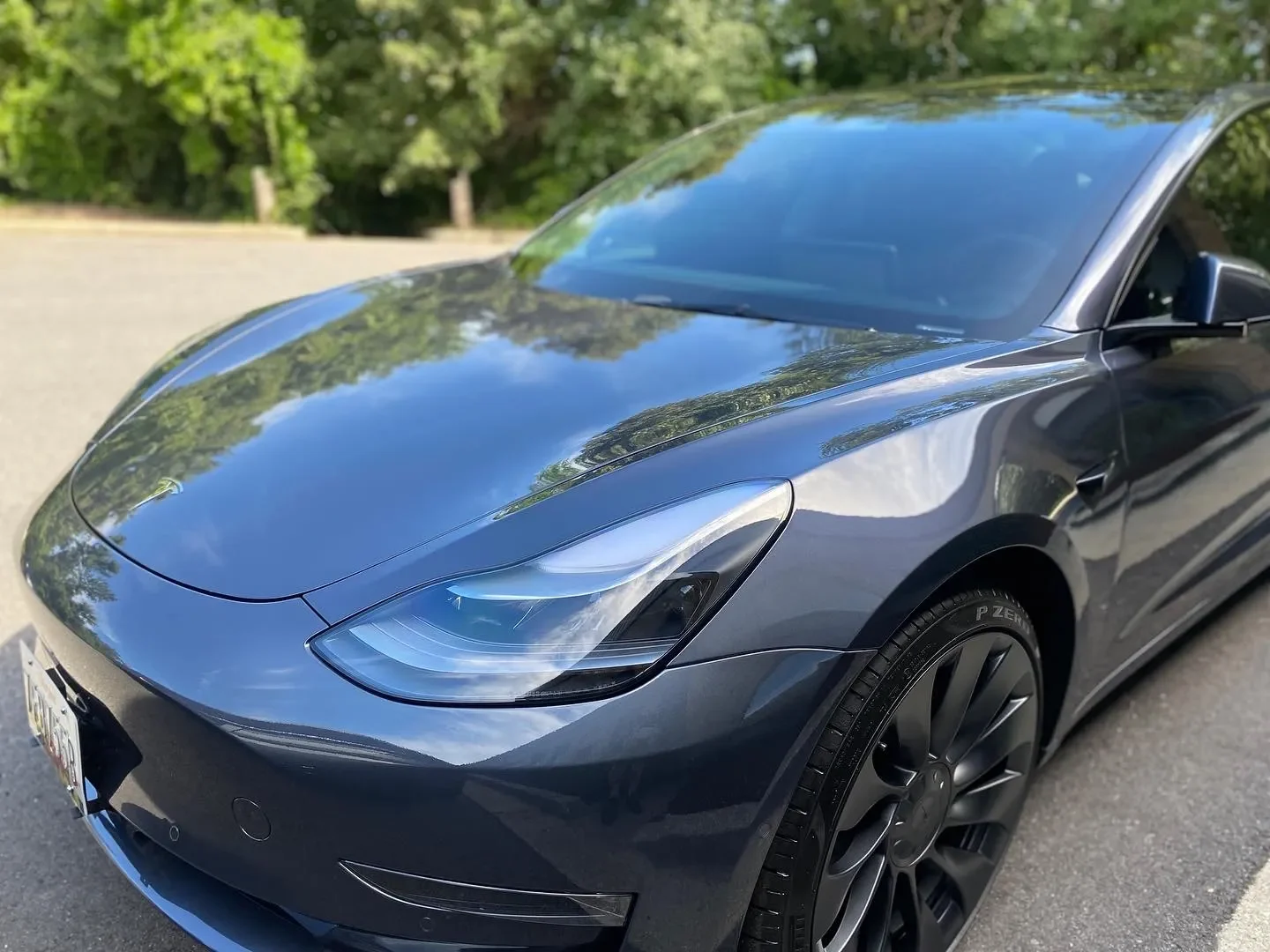
Solar radiation transmits energy into your vehicle through three primary mechanisms: visible light, ultraviolet radiation, and infrared wavelengths. Together, these forms of energy create the greenhouse effect that transforms parked vehicles into ovens. Approximately 53% of solar energy comes from infrared radiation, 44% from visible light, and 3% from ultraviolet rays.
Standard automotive glass blocks most UV radiation but allows visible light and infrared energy to pass relatively freely. Once this energy enters your cabin, it’s absorbed by surfaces and converted to heat. Dark dashboards, seats, and interior panels become heat sinks that radiate warmth into the air, creating the temperature buildup that forces climate control systems to work at maximum capacity.
Thermal Load and Its Effect on EV Performance
Thermal load represents the total heat energy your climate control system must remove to maintain desired cabin temperature. Higher thermal loads require more power consumption and create greater battery drain. The relationship is direct: reducing thermal load proportionally decreases the energy needed for climate control, freeing that energy for propulsion instead.
In electric vehicles, this efficiency consideration becomes crucial because climate control draws from the same finite energy source powering your motor. Every kilowatt-hour saved on cooling translates directly to additional driving range. This relationship makes thermal management a primary concern for maximizing EV efficiency rather than simply a comfort consideration.
How Window Films Reduce Cabin Heat
Window tinting addresses solar heat gain by intercepting and rejecting energy before it enters the vehicle cabin. Quality films employ multiple technologies to block different portions of the solar spectrum, with the most effective solutions targeting infrared wavelengths responsible for the majority of heat sensation. By preventing this energy from entering initially, films dramatically reduce thermal load on climate control systems. Specialists at Prestige Protective Films explain that this passive heat rejection provides continuous benefit without requiring any energy input, making it an ideal efficiency enhancement for electric vehicles.
The effectiveness of heat rejection varies significantly based on film technology and quality. Basic dyed films primarily absorb visible light, providing minimal heat rejection beyond their darkening effect. Advanced ceramic and metallized films actively reject infrared radiation, blocking heat without necessarily creating extremely dark windows. This distinction matters tremendously for electric vehicle applications where maximizing heat rejection delivers the most significant efficiency benefits.
Infrared Rejection Technology Explained
Infrared radiation carries energy but remains invisible to human eyes, making it possible to block substantial heat without affecting visibility or requiring very dark window tint. Modern ceramic films contain nano-ceramic particles that specifically scatter and reflect infrared wavelengths while allowing visible light to pass. This selective filtration enables films to reject 60 to 80 percent of infrared energy even at moderate darkness levels.
The infrared rejection capability directly determines how effectively a film reduces thermal load. Films with high infrared rejection ratings prevent the majority of heat-causing energy from entering while maintaining reasonable visibility for safe driving. For car window tinting applications focused on energy efficiency rather than privacy, prioritizing infrared rejection over simple darkness delivers optimal results.
The Role of Ceramic Films in Heat Management
Ceramic films represent the gold standard for thermal management in automotive applications. Their nano-ceramic particle construction provides superior infrared rejection without metal content that might interfere with radio signals or electronic devices. These films typically reject 50 to 60 percent of total solar energy while blocking up to 99 percent of UV radiation.
For electric vehicles where every efficiency gain matters, ceramic films deliver measurable improvements in climate control energy consumption. The initial investment in premium ceramic technology returns value through reduced charging frequency and extended per-charge range, particularly valuable for drivers who frequently operate in hot climates or during summer months when solar intensity peaks.
Quantifying Energy Savings from Tinted Windows
Measuring exact energy savings from window tinting varies based on ambient conditions, film specifications, vehicle design, and driving patterns. However, research and real-world testing consistently demonstrate that quality films reduce cabin temperatures by 20 to 35 degrees Fahrenheit compared to untinted vehicles under identical conditions. This temperature reduction translates directly to decreased air conditioning demand and lower power consumption.
Studies examining energy consumption in climate-controlled electric vehicles show that reducing thermal load through window tinting can decrease AC power draw by 15 to 30 percent depending on conditions. In practical terms, this means the difference between consuming 3 kilowatts versus 2 kilowatts for climate control, saving approximately 1 kWh per hour of driving. Over extended trips, these savings accumulate meaningfully. Resources available through an auto window tint shop can help EV owners calculate projected savings based on their specific vehicle and usage patterns.
Real-World Range Extension Benefits
The range extension from reduced climate control consumption varies based on numerous factors, but real-world observations suggest improvements of 5 to 15 percent during hot weather conditions when AC usage is continuous. For a vehicle with 250 miles of rated range, this could translate to an additional 12 to 37 miles per charge, meaningful additions that reduce charging frequency and range anxiety.
The benefit appears most dramatically during city driving in hot weather when climate control represents a larger percentage of total energy consumption compared to highway speeds where aerodynamic drag dominates. Urban EV drivers in warm climates typically see the most substantial efficiency gains from quality window tinting, though benefits accrue in any situation requiring climate control operation.
Impact on Air Conditioning System Efficiency
Reducing thermal load through window films creates a cascading efficiency effect throughout the climate control system. When less heat enters the cabin, the air conditioning compressor runs less frequently and at lower output levels. This reduced duty cycle decreases instantaneous power draw and allows the system to maintain comfortable temperatures with less total energy consumption.
The efficiency gains extend beyond simple power consumption reduction. Air conditioning systems operate most efficiently when maintaining temperature rather than dramatically cooling overheated cabins. By preventing excessive heat buildup in the first place, window films allow climate control systems to work within their optimal efficiency ranges more consistently. Advisors at Prestige Protective Films note that EV owners frequently report noticeably reduced AC fan speeds and compressor cycling after installing quality heat-rejecting films.
Reduced Compressor Load and Power Draw
Electric vehicle AC compressors typically consume 1.5 to 3 kilowatts when operating at full capacity, though consumption varies with compressor design and ambient conditions. By reducing thermal load, window films decrease both the frequency of maximum compressor operation and the duration of high-power draw periods. The compressor spends more time in lower-output maintenance mode rather than maximum cooling mode.
This reduced load translates to lower average power consumption across entire driving sessions. While peak power draw might only decrease moderately, the reduced duty cycle and lower average output create accumulated savings that add up over hours of driving. For commuters spending substantial time in their vehicles daily, these incremental savings compound into meaningful range extensions over weeks and months of operation.
Battery Longevity and Temperature Management
Heat represents one of the primary degradation factors for lithium-ion batteries. Elevated temperatures accelerate chemical reactions that reduce battery capacity and lifespan over time. While battery thermal management systems work to maintain optimal pack temperatures, reducing overall vehicle heat load through window tinting indirectly supports these efforts by decreasing cabin temperatures that can radiate heat toward battery packs located beneath or behind passenger compartments.
The relationship between cabin temperature and battery temperature varies by vehicle design, but any reduction in overall thermal load eases the burden on battery cooling systems. This allows thermal management to operate more efficiently, consuming less energy for battery temperature regulation while maintaining batteries within ideal temperature ranges that maximize longevity and performance.
How Thermal Protection Extends Battery Life
Battery degradation accelerates significantly at elevated temperatures, with every 10 degrees Celsius increase roughly doubling degradation rates. While direct sunlight doesn’t typically heat battery packs as dramatically as it heats cabins, the overall thermal environment affects how efficiently battery thermal management systems maintain optimal temperatures. By reducing the heat load these systems must combat, window films contribute to creating conditions that support longer battery life.
The longevity benefits become particularly relevant as electric vehicle battery replacements represent substantial costs. Extending battery life by even modest percentages through improved thermal management provides economic value beyond immediate range efficiency gains. This long-term benefit adds to the overall value proposition of quality window tinting for electric vehicle applications.
Optimal Tinting Solutions for Maximum Efficiency
Selecting window tinting shop solutions specifically for electric vehicle efficiency requires prioritizing heat rejection performance over simple darkness or privacy considerations. The most effective approach combines ceramic films with high Total Solar Energy Rejected (TSER) ratings on all windows except where legal restrictions apply. This comprehensive coverage maximizes thermal protection while maintaining adequate visibility for safe operation.
For optimal efficiency benefits, focus on films offering TSER ratings above 55 percent, with premium options exceeding 60 percent. These specifications ensure you’re blocking the majority of solar energy before it can enter your cabin and create thermal load. While such films carry premium pricing compared to basic options, the combination of energy savings, range extension, and improved comfort typically justifies the investment for EV owners prioritizing efficiency. Professionals at Prestige Protective Films specialize in matching film specifications to specific efficiency goals and usage patterns.
Choosing Films with High Heat Rejection Ratings
Heat rejection ratings indicate what percentage of total solar energy a film blocks. Higher ratings mean better thermal performance and greater efficiency benefits for electric vehicles. Films with 50 to 60 percent TSER represent good performers, while premium options reaching 65 to 70 percent deliver exceptional protection.
When evaluating options at a window tinting shop, request specific TSER data rather than relying solely on visible light transmission percentages. Two films with identical darkness may perform dramatically differently regarding actual heat blocking. For EV efficiency applications, prioritizing heat rejection over appearance delivers the most meaningful benefits in terms of reduced energy consumption and extended range.
Additional Benefits Beyond Energy Efficiency
While energy efficiency represents the primary motivation for many electric vehicle owners considering window tinting, quality films deliver numerous additional benefits. UV protection shields occupants from harmful radiation that causes skin damage and accelerates aging, particularly relevant for drivers spending significant time commuting. Interior protection prevents fading, cracking, and deterioration of dashboards, seats, and trim components.
Glare reduction improves visual comfort and reduces eye fatigue during driving, contributing to safer operation. The improved comfort from reduced heat and glare often proves as valuable as the measurable efficiency gains in day-to-day driving experience. These combined benefits create a comprehensive value proposition that extends beyond simple range extension to encompass comfort, safety, protection, and overall vehicle preservation.
Conclusion
Window Tinting plays a larger role in electric vehicle efficiency than many owners realize. By blocking solar heat and stabilizing cabin temperature, tinting helps reduce battery load, improve driving comfort, and support long term performance. With the right tint type, proper installation, and careful selection of grade, EV owners gain a practical and reliable way to improve energy effectiveness without altering their vehicle’s design.
FAQs
Does tinting significantly improve EV battery life?
Tinting does not increase battery capacity but reduces cooling demand, helping preserve more charge for actual driving.
Is ceramic tint better for electric vehicles?
Yes, ceramic tint offers superior heat rejection and visibility, making it ideal for managing temperature in EV cabins.
Can tinting affect EV sensors?
Properly installed tint will not interfere with sensors. Working with trained professionals prevents issues.
Do lighter tint shades still help with energy efficiency?
Modern tint films provide strong heat protection even in lighter shades, supporting better temperature control.
Is tinting useful in mild climates?
Yes, even mild climates experience solar heat that affects EV cooling systems, making tinting helpful throughout the year.