The market for car window tinting has evolved dramatically over recent years, with high-performance films now offering capabilities that seemed impossible just a decade ago. These advanced solutions promise exceptional heat rejection, superior UV protection, and enhanced comfort without the drawbacks of older tinting technologies. But here’s the challenge: not all films marketed as “high-performance” actually deliver on their promises, and the technical jargon surrounding these products can confuse even savvy vehicle owners. When you’re considering an investment in premium window protection, understanding what separates genuine high-performance films from cleverly marketed standard products becomes essential. Experts at Infinite Auto Works frequently encounter customers who thought they purchased premium tinting only to discover later that their films underperform or fail prematurely.
Making an informed decision requires looking beyond marketing claims to understand the actual technology, performance standards, and practical considerations that determine whether a film truly deserves the “high-performance” label. The difference between a wise investment and an expensive disappointment often comes down to knowing which questions to ask, which specifications matter, and which features deliver real-world benefits versus those that simply sound impressive in sales literature. Your vehicle deserves protection that performs as promised, and that starts with understanding exactly what you’re purchasing and why certain characteristics matter more than others. Professionals at Infinite Auto Works emphasize that educated customers consistently make better decisions and experience greater satisfaction with their window tinting investments.
Understanding High-Performance Tinting Technology
High-performance window films represent the cutting edge of automotive sun protection technology. Unlike conventional dyed films that simply absorb light and heat, these advanced products employ sophisticated materials and construction methods to actively reject solar energy before it enters your vehicle. The distinction isn’t just technical; it translates to measurable differences in interior temperature, UV protection levels, and overall comfort.
The technology behind these films has evolved through decades of materials science research and real-world testing. Modern high-performance options utilize nano-ceramic particles, precious metal layers, or advanced carbon compounds arranged in precise configurations to target specific wavelengths of solar radiation. This targeted approach allows them to block heat and UV rays while maintaining excellent visibility and clarity.
How Premium Films Differ from Standard Options
Standard window tinting relies primarily on dyed layers that absorb visible light, creating darker windows that reduce brightness but provide limited heat rejection. These films work through a relatively simple mechanism: dark colors absorb light energy, which then heats the film itself. While this creates some heat barrier effect, much of that absorbed energy eventually radiates into your vehicle’s interior.
High-performance films take a fundamentally different approach. Rather than absorbing solar energy, they reflect or reject it before it can enter the vehicle. Ceramic particles scatter infrared wavelengths, metallized layers reflect heat like a mirror, and specialized coatings block specific portions of the solar spectrum. This sophisticated rejection mechanism keeps heat outside your vehicle rather than trapping it in the window film, resulting in dramatically superior performance.
Performance Metrics That Actually Matter
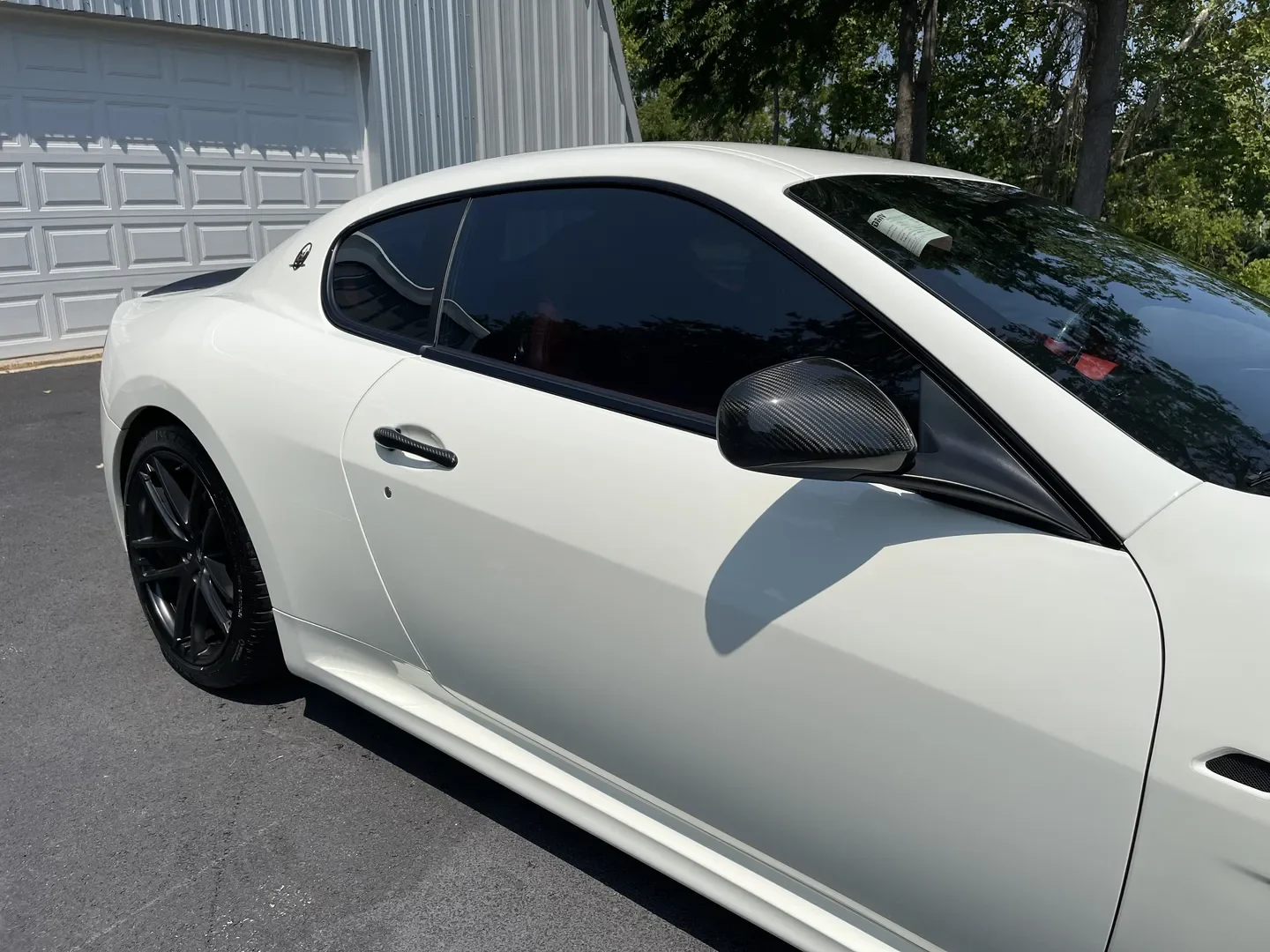
When evaluating car window tinting options, you’ll encounter numerous technical specifications and performance claims. Understanding which metrics genuinely impact your experience helps cut through marketing hype to identify films that deliver meaningful benefits. Not all specifications hold equal importance, and some impressive-sounding numbers don’t translate to noticeable real-world differences.
The most critical performance indicators relate directly to comfort, protection, and durability. Heat rejection capability, UV blocking percentage, visible light transmission, and construction quality stand as the primary factors determining how well a film performs over its lifetime. Secondary considerations like scratch resistance, color stability, and signal transparency add value but shouldn’t overshadow the fundamental performance characteristics.
Total Solar Energy Rejection Explained
Total Solar Energy Rejected (TSER) measures a film’s ability to reject all forms of solar radiation, including visible light, ultraviolet rays, and infrared energy. This comprehensive metric provides the most accurate indication of overall thermal performance, as it accounts for the complete solar spectrum rather than just visible light reduction.
High-performance films typically achieve TSER ratings between 50% and 70%, with premium ceramic options sometimes exceeding these levels. Each percentage point of TSER translates to measurable temperature reduction inside your vehicle. A film with 60% TSER blocks 60% of total solar energy, keeping your interior significantly cooler than a film with 40% TSER, even if both appear similar in darkness.
UV Protection Standards and Ratings
Ultraviolet radiation causes skin damage, interior fading, and material deterioration. Quality high-performance films block 99% or more of harmful UV rays, providing protection equivalent to SPF 1000+ sunscreen. This near-total UV blocking represents one area where premium films universally excel, as the technology to achieve these protection levels has become standard in high-performance products.
However, not all UV protection is equal. Some films block primarily UV-B rays while allowing UV-A rays to pass through. Comprehensive protection requires blocking both UV-A and UV-B across the entire ultraviolet spectrum. When evaluating options at a window tinting shop, confirming that films provide broad-spectrum UV protection ensures you receive complete shielding against all harmful ultraviolet wavelengths.
Material Composition and Construction Quality
The materials and construction methods used in film manufacturing directly determine performance, durability, and longevity. High-performance films employ advanced materials arranged in multi-layer configurations, with each layer serving specific purposes. Understanding these construction differences helps explain why premium films command higher prices and deliver superior results.
Quality films feature multiple functional layers including scratch-resistant coatings, UV-blocking layers, heat-rejecting components, adhesive systems, and protective liners. The precision with which these layers are manufactured and combined affects everything from optical clarity to long-term color stability. Professionals at Infinite Auto Works explain that superior construction quality ensures films maintain their performance characteristics throughout years of sun exposure and temperature cycling.
Ceramic vs. Metallized vs. Carbon Films
Ceramic films use nano-ceramic particles suspended throughout the film to scatter and reject infrared radiation. These particles provide excellent heat rejection without any metal content, ensuring they won’t interfere with radio signals, GPS, or cellular communications. Ceramic films offer the best combination of heat rejection, clarity, and signal transparency, though they typically represent the highest-priced option.
Metallized films incorporate thin metal layers that reflect solar energy like a mirror. They deliver excellent heat rejection and durability, adding a subtle metallic appearance to windows. The primary limitation involves potential signal interference with some electronic systems, though modern metallized films minimize this issue compared to older products. Carbon films use carbon particle layers to absorb infrared energy, providing a matte appearance without metal content. They offer good performance at moderate price points, representing a middle ground between ceramic and standard dyed films.
Legal Compliance and Visibility Requirements
Every jurisdiction maintains specific regulations governing window tinting darkness and reflectivity. These laws exist to ensure adequate visibility for safe driving while allowing reasonable sun protection. Violating tinting regulations can result in traffic citations, failed vehicle inspections, and potentially create liability issues in accidents where visibility might be questioned.
Understanding applicable regulations before selecting film darkness prevents legal complications and ensures your investment remains compliant. Regulations typically specify visible light transmission percentages allowed on various windows, with different requirements for windshields, front side windows, and rear windows. Some jurisdictions also restrict reflectivity levels and colors.
State Regulations You Must Follow
Window tinting laws vary significantly between states and even between countries. Some locations allow relatively dark tint on all windows except windshields, while others maintain strict limitations on front side windows to ensure driver visibility. Medical exemptions exist in many jurisdictions for individuals with documented light sensitivity conditions, though these require proper documentation and often involve special permits.
Before committing to specific film darkness levels, verify current regulations for locations where you drive regularly. Auto window tint shop professionals stay current on local laws and can recommend compliant options that maximize protection within legal limits. Infinite Auto Works maintains up-to-date knowledge of tinting regulations to guide customers toward legal, safe choices that still deliver excellent performance.
Warranty Coverage and What It Really Means
Warranty terms provide important insights into manufacturer confidence in their products. High-performance films typically come with substantial warranties covering defects, color stability, adhesion failure, and sometimes even labor for reinstallation if problems occur. However, warranty fine print often contains important limitations and conditions that significantly affect actual coverage.
Understanding what warranties actually cover versus what they exclude helps set realistic expectations and identify potential red flags. Lifetime warranties sound impressive but may only cover manufacturing defects under specific conditions while excluding normal wear, improper maintenance, or environmental damage. Limited warranties with clear, comprehensive coverage sometimes provide better practical protection than ambitious-sounding guarantees filled with exclusions.
Installation Quality and Its Impact on Performance
Even the highest-quality film performs poorly if installed incorrectly. Professional installation requires specialized tools, controlled environments, proper surface preparation, and experienced technique to achieve optimal results. The installation process significantly impacts appearance, longevity, and performance, making installer selection as important as film selection.
Poor installation manifests through bubbles, creases, gaps at edges, contamination under the film, and premature peeling or discoloration. These problems aren’t just cosmetic; they compromise the film’s ability to reject heat, block UV rays, and maintain clarity. Quality installation in a controlled environment by trained technicians ensures films bond properly and perform as designed.
Why Professional Installation Matters
Professional installers possess specialized training, proper equipment, and controlled workspaces that dramatically affect outcome quality. They understand how different films handle during installation, which techniques work best for various window curves, and how to avoid common problems that plague amateur installations. Facilities like Infinite Auto Works invest in climate-controlled installation bays, specialized tools, and ongoing training to ensure consistent, high-quality results.
The installation environment matters tremendously. Dust, debris, moisture, and temperature all affect how films adhere and cure. Professional shops control these variables, while DIY installations or mobile services often occur in less-than-ideal conditions that compromise results. The modest additional cost for professional installation prevents expensive do-overs and ensures your premium film investment delivers its full potential performance.
Cost Versus Value Analysis
High-performance auto window tinting represents a significant investment, with premium ceramic films costing substantially more than standard options. Understanding the value proposition beyond initial price helps contextualize costs and recognize where premium products deliver genuine benefits worth their expense versus where mid-range options might suffice.
Price differences reflect genuine technology and material quality variations, not just brand marketing. Ceramic films cost more to manufacture than dyed films because ceramic particles are expensive and require sophisticated production processes. Similarly, films with precious metal layers command premium prices due to raw material costs. However, these premium materials deliver measurably superior performance that justifies their expense for many applications.
Long-Term Return on Investment
Evaluating tinting as a long-term investment rather than an immediate expense provides a clearer perspective on value. Premium films lasting 15 years deliver better cost-per-year value than cheap films requiring replacement every 3-5 years. Additionally, the superior heat rejection from high-performance films reduces air conditioning usage, lowering fuel consumption and potentially extending AC system lifespan through reduced workload.
Protection of interior materials represents another significant value component. UV damage and heat exposure destroy upholstery, dashboards, and trim components over time. Quality window protection preserves these materials, maintaining your vehicle’s interior condition and supporting higher resale values. The preserved condition often returns more value than the film initially cost when you eventually sell or trade your vehicle.
Compatibility with Modern Vehicle Technology
Today’s vehicles incorporate numerous electronic systems that communicate wirelessly with external networks and satellites. Navigation systems, satellite radio, cellular connectivity, remote start features, and toll transponders all rely on radio signals passing through vehicle windows. Some window films, particularly older metallized varieties, interfere with these signals, creating frustrating performance issues.
High-performance ceramic films provide an excellent solution for this challenge, delivering superior heat rejection without metal content that blocks radio frequencies. They allow GPS signals, cellular communications, and other wireless technologies to function normally while still providing premium solar protection. When considering options at an auto window tinting shop, confirming signal transparency ensures your protection doesn’t compromise essential vehicle features. Specialists at Infinite Auto Works understand modern vehicle technology requirements and recommend films that deliver complete solar protection without affecting your vehicle’s connected features.
Conclusion
High-performance window tinting is an excellent upgrade for drivers who want stronger heat control, better UV protection, and long-lasting interior comfort. By understanding the features, film types, legal rules, and installation factors, vehicle owners can make smarter decisions that support long-term protection. Selecting a tint that aligns with your driving needs ensures the best results, giving you a cooler, safer, and more enjoyable driving experience.
FAQs
What makes high-performance tint different from regular tint?
High-performance tint uses advanced materials like ceramic and carbon to improve heat rejection, clarity, and UV protection, offering superior performance over basic dyed films.
Does tint interfere with my vehicle’s electronics?
Ceramic tint does not disrupt signals, but some metallic films may interfere with antennas or sensors, so choosing the right type is important.
How long does premium tint typically last?
High-performance films often last many years due to UV-resistant materials and stable construction that prevents fading.
Is darker tint always better for heat reduction?
Not necessarily. Tint performance depends on material quality, not just darkness, and some lighter films block more heat than darker dyed films.
Will tint help protect my vehicle interior from fading?
Yes. Quality tint blocks harmful UV rays, which slows fading and cracking on seats, dashboards, and other interior features.